
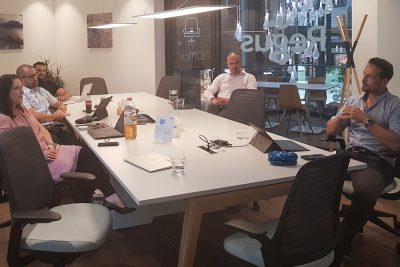
Projects are made by people. And yet many project management approaches focus on methods, tools and processes – not the people who apply them. We are convinced: the key to project success lies in how we treat each other.
Why do projects really fail?
Studies repeatedly show that the most common reasons for project failure are not technical in nature. Lack of communication, unclear responsibilities, insufficient stakeholder engagement and misguided expectations – these are the real project risks.
Technical competence is necessary, but not sufficient. What really leads projects to success are social skills: empathy, active listening, constructive feedback and the ability to resolve conflicts productively.
Clearly define roles and responsibilities
A common source of misunderstandings and conflicts in projects is ambiguity about roles and responsibilities. Who decides what? Who is responsible for what? Who needs to be informed?
Tools such as a RACI matrix (Responsible, Accountable, Consulted, Informed) help to create clarity. But here too: the tool is only as good as the conversations behind it.
Actively involve stakeholders
Stakeholder management is a core competency in project management. It is about identifying the relevant people at an early stage, understanding their needs and expectations and actively involving them in the project.
This does not mean treating all stakeholders equally. Different stakeholders have different interests and potential for influence. A targeted communication and engagement strategy is crucial.
Trust as a foundation
In the end, it is trust that holds a project team together. Trust does not arise on its own – it must be actively built and maintained. Regular team check-ins, an open error culture and the willingness to take responsibility are important building blocks.
Projects in which trust prevails are more resilient. They can deal with setbacks better and find joint solutions more quickly.